



Yoga and meditation are among the oldest and most profound practices for achieving holistic well-being. Far beyond fitness routines, they are pathways to personal transformation, mental clarity, emotional resilience, and spiritual awakening. In this extensive guide, you’ll explore their roots, science-backed benefits, core philosophies, various techniques, and step-by-step approaches for weaving them into daily life.
The Ancient Roots of Yoga and Meditation
Yoga’s history stretches back over 5,000 years in India, with the earliest references appearing in the Rig Veda, a collection of sacred texts. The Sanskrit word “yoga” means “to yoke” or “to unite,” signifying the aim to harmonize the body, mind, and spirit. Early yoga developed through several phases:
- Vedic Period (ca. 1500–500 BCE): Practices focused mainly on rituals, chants, and meditative absorption to connect with the divine.
- Pre-Classical and Classical Periods: Developments in Upanishads (ca. 900–500 BCE) and the Yoga Sutras of Patanjali laid the foundation for classical yoga, emphasizing ethical principles, mental control, and meditation.
- Buddhist and Jain Influences: Yogic practices merged with early Buddhist and Jain traditions, further enriching the methods and philosophies of meditation.
- Modern Age: The 19th and 20th centuries saw the global spread and reinvention of yoga as a comprehensive practice blending physical, mental, and spiritual elements.
Meditation also arose in the ancient world, often as part of religious and spiritual traditions. The Upanishads described early meditative practices, while Buddhist and Jain philosophies contributed their own techniques and deep insights into the mind.
Philosophy and Core Principles
Yoga is more than postures; it’s a system for living. The classical system is outlined as the “Eight Limbs of Yoga” in Patanjali’s Yoga Sutras, including:

- Yamas (ethical disciplines)
- Niyamas (self-discipline)
- Asana (physical postures)
- Pranayama (breath control)
- Pratyahara (withdrawal of senses)
- Dharana (concentration)
- Dhyana (meditation)
- Samadhi (absorption, or union with the divine)
Meditation (dhyana) is integral to yoga and is practiced for self-mastery, mindfulness, and inner freedom. Meditation’s core is single-pointed focus, cultivating awareness, and training the mind to become calm and clear.
Science-Backed Benefits
a) Physical Benefits
- Improved Flexibility and Strength: Regular yoga asanas enhance range of motion, muscle tone, and joint health, supporting daily function and physical vitality.
- Reduces Chronic Pain: Practices can relieve back pain, symptoms of arthritis, and even migraines.
- Cardiovascular Health: The combination of yoga and meditation lowers blood pressure, improves circulation, and supports heart health by reducing stress hormones and inflammation.
- Better Respiration: Breath control exercises (pranayama) improve lung capacity and oxygenate the body efficiently.
- Boosted Immunity: Regular mind-body practices support immune function and overall health.
- Enhanced Balance and Posture: Yoga corrects habitual imbalances, promoting a healthy and confident stance.
b) Mental & Emotional Benefits
- Stress Reduction: Both yoga and meditation activate the parasympathetic nervous system, fostering deep relaxation, lowering cortisol, and soothing anxiety and depression.
- Sharper Focus: Mindful breathing and meditation enhance concentration, mental clarity, and creative thinking.
- Emotional Balance: Practices help stabilize mood, decrease irritability, and build emotional resilience.
- Greater Self-Awareness: Through introspection and observation in meditation, practitioners develop a deep sense of self, empathy, and compassion.
- Improved Sleep: Stress reduction and body relaxation techniques often lead to more restful sleep patterns.
c) Spiritual & Holistic Benefits
- Sense of Connection: Meditation opens the door to feelings of interconnectedness—within oneself and with the world.
- Inner Peace: Quieting the mental chatter leads to tranquility and equanimity that becomes accessible in daily life.
- Personal Growth: Over time, consistent practice nurtures virtues like gratitude, forgiveness, and a positive outlook.
Types and Styles of Yoga and Meditation
a) Yoga Styles
- Hatha Yoga: Focuses on physical postures (asanas) and breath. Ideal for beginners seeking balance and harmony.
- Vinyasa Flow: Involves dynamic, breath-synchronized movements, promoting fluidity and mindfulness.
- Ashtanga Yoga: A systematic, challenging sequence combining postures, breathing, and meditation, fostering discipline and focus.
- Kundalini Yoga: Uses postures, dynamic breathing, chanting, and meditation to awaken spiritual energy.
- Restorative Yoga: Relaxing, slow-paced postures to encourage healing and deep relaxation.
b) Meditation Types
- Mindfulness Meditation: Observing thoughts, sensations, and feelings with acceptance, staying rooted in the present.
- Guided Meditation: Following a teacher or recording through visualization and relaxation techniques.
- Mantra Meditation: Repeating a word or phrase to create focus and stillness.
- Breath Awareness/Pranayama: Focusing solely on the rhythm of breath.
- Loving-Kindness (Metta): Cultivating compassion and goodwill for self and others.
How to Practice: Step-by-Step Guide
a) Crafting Your Yoga Practice
- Create a Dedicated Space: Find a quiet, clutter-free area. Use a yoga mat and ensure adequate lighting and ventilation.
- Choose the Right Time: Early mornings or evenings work well; consistency deepens the habit.
- Start with Gentle Warm-Ups: Cat-Cow, Child’s Pose, and gentle stretches prepare the body.
- Sequence Your Postures: Combine asanas like Downward Dog, Warrior Poses, and seated stretches depending on your style. Explore holding each pose for 15–60 seconds.
- Focus on Breath: Inhale and exhale mindfully throughout each movement.
- End with Relaxation: Finish with Savasana (corpse pose), allowing the body and mind to absorb the practice.
b) Cultivating Meditation
Basic Meditation Steps (adapted from Mindful.org and Yoga International):
- Take a Comfortable Seat: On the floor, a chair, or cushion—spine tall, shoulders relaxed.
- Set a Time Limit: Start with 5–10 minutes, gradually lengthening the sessions as you grow comfortable.
- Connect with Your Breath: Observe the gentle inflow and outflow of your breath; let it guide your awareness.
- Notice the Mind: Thoughts will wander. Each time, kindly guide your attention back to the breath or chosen focus.
- End with Reflection: When done, stretch gently and notice any shifts in body, thoughts, or mood.
- Practice Regularly: Daily sessions build mindfulness, reduce stress, and foster resilience.
c) Integrating Yoga and Meditation
Yoga and meditation are easily practiced together for amplified results:
- Begin with yoga asanas to stretch and release tension.
- Proceed to conscious breathing exercises (pranayama).
- Finish with a period of sitting or lying meditation, focusing on breath, a mantra, or body sensations.
Building a Sustainable Routine
- Start Small: 10–15 minutes a day works for beginners.
- Consistency Matters: Pick a set time and treat your practice as a valued appointment.
- Listen to Your Body: Skip or modify poses that feel uncomfortable.
- Supplement with Resources: Books, online videos, and apps provide guidance and community support.
- Commit to Growth: Over time, deepen your practice with advanced postures and longer meditations.
Common Challenges and Solutions
- Restlessness: Start with short sessions and gradually increase duration.
- Physical Discomfort: Use props like cushions or blocks. Always prioritize safety and alignment.
- Busy Mind: Wandering thoughts are part of the process. Gently guide your focus back.
- Motivation Lapses: Join a yoga class or online group for encouragement.
A Day in the Life: Sample Yoga and Meditation Schedule
Morning (15–20 minutes):
- Gentle warm-up stretches
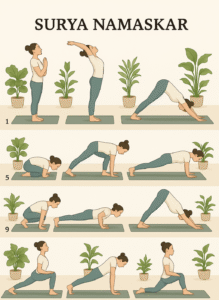
- Sun Salutations or basic asanas
- 5 minutes of breath awareness (pranayama)
- 5 minutes of mindfulness meditation
Afternoon (Optional, 5–10 minutes):
- Seated or walking meditation during a lunch break
Evening (20–30 minutes):
- Relaxing yoga flow (focused on hips, spine, and shoulders)
- Extended body scan meditation or guided relaxation
Expanding Your Practice
- Read Classic Texts: Dive into the Yoga Sutras, Bhagavad Gita, and Buddhist discourses.
- Find Community: Attend local yoga studios or meditation circles for inspiration and connection.
- Seek Teachers: Trained instructors provide personalized feedback, ensuring safe progress.
Yoga and Meditation for Modern Life
- Stressful Workdays: Quick desk stretches and breathing exercises can instantly soothe nerves.
- Emotional Ups & Downs: Meditation offers steady support for anxiety, sadness, or overwhelming moments.
- Healthy Aging: Both practices support joint, heart, and cognitive health as you move through life.
Conclusion: Embracing the Journey
Yoga and meditation invite you to pause, tune in, and fully experience life’s richness. They reshape not just your body, but also your mind, emotions, and spirit. Whether you start with gentle stretches or a mindful breath, you’re planting seeds for a future filled with well-being, awareness, and inner harmony.
Begin today—one mindful breath, one intentional movement at a time. The benefits will ripple through every part of your life, uplifting you and those around you.
“Yoga is the journey of the self, through the self, to the self.” – The Bhagavad Gita
This guide combines the wisdom of ancient philosophy with modern scientific research, offering a holistic roadmap for those seeking to unlock the transformative power of yoga and meditation.